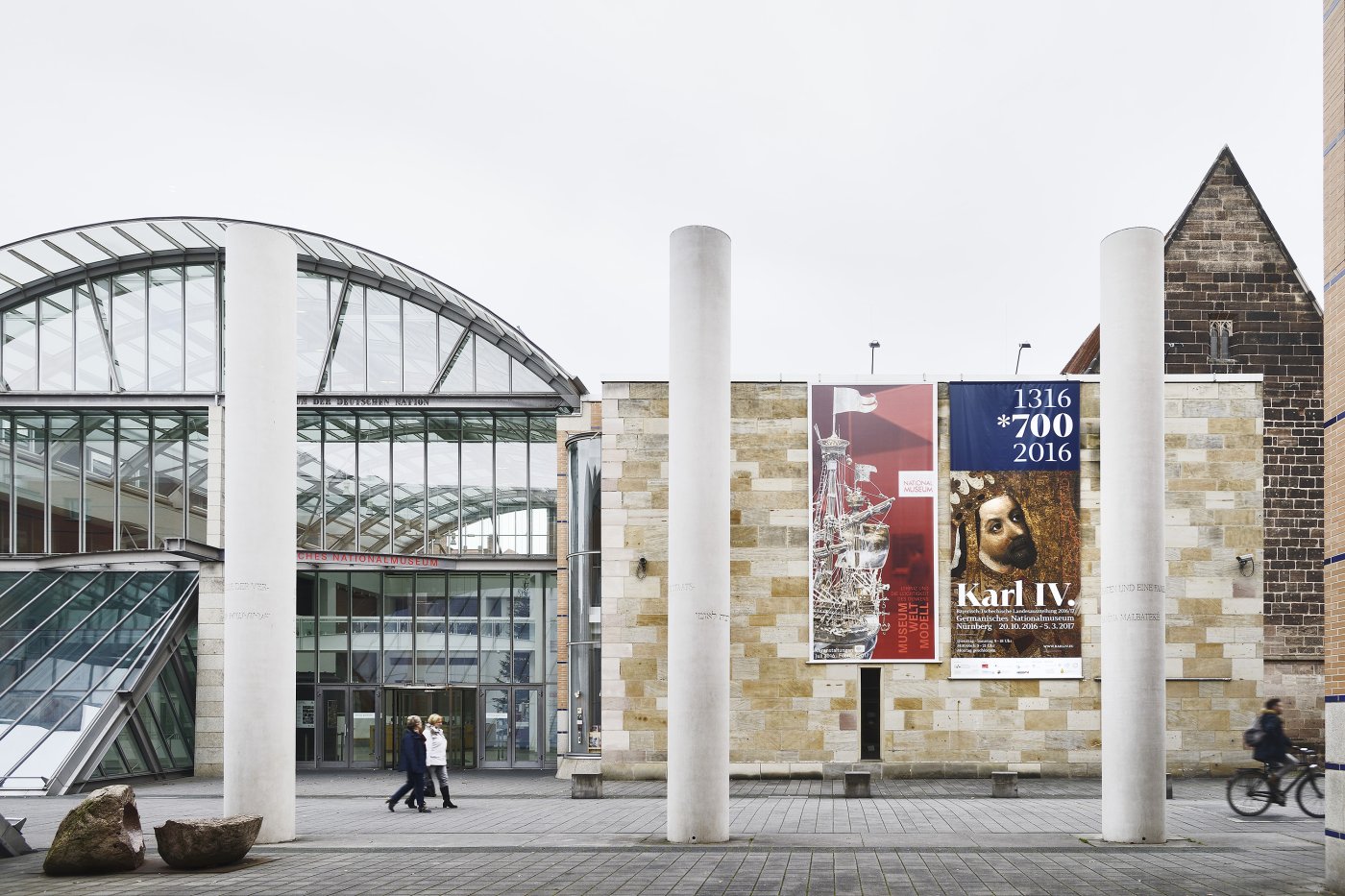
Bavarian-Czech Regional Exhibition "Charles IV." at the Germanisches Nationalmuseum in Nuremberg. The House of Bavarian History presents in this exhibition the fascinating story of one of the most significant rulers of the late Middle Ages.
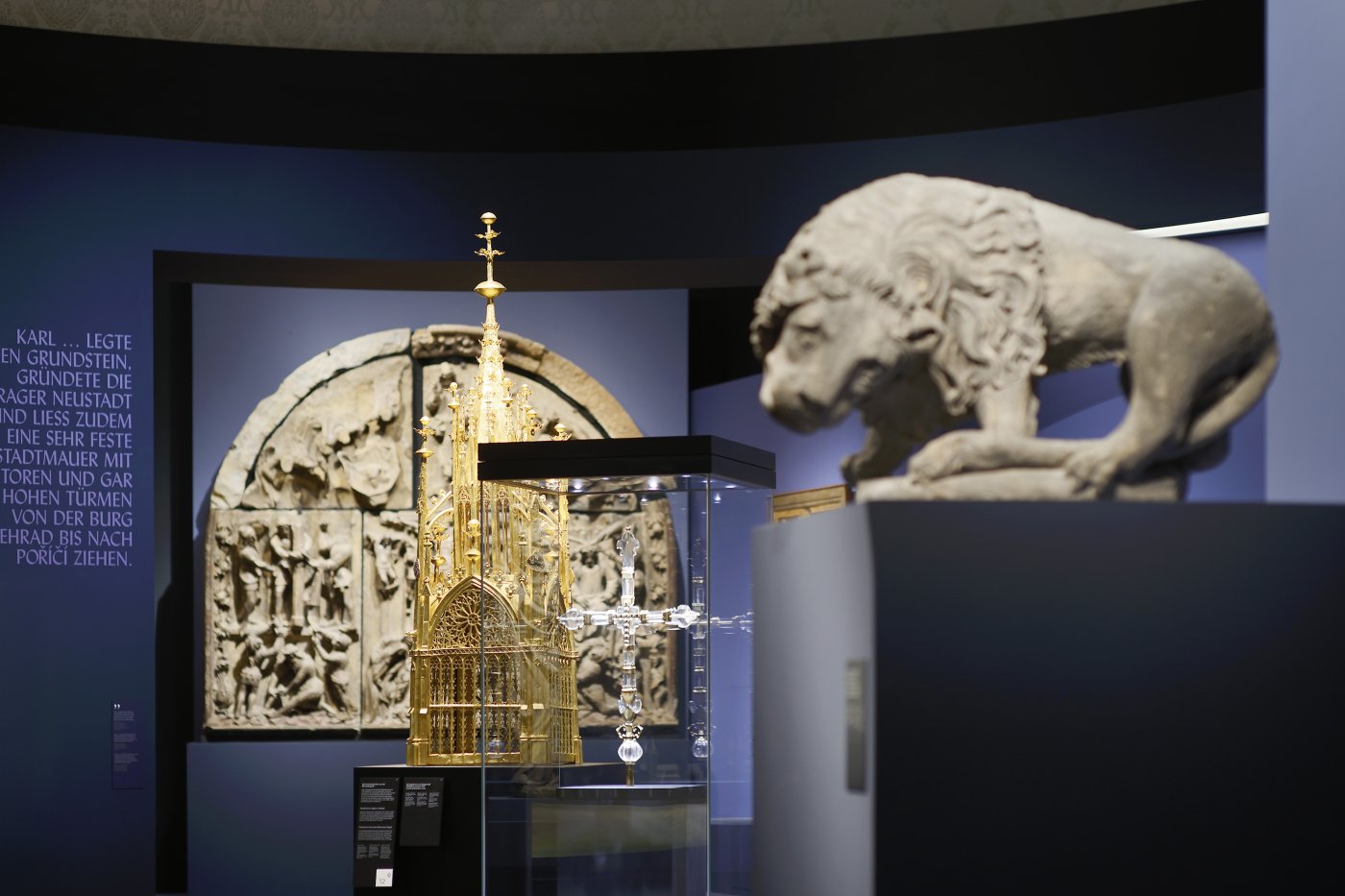
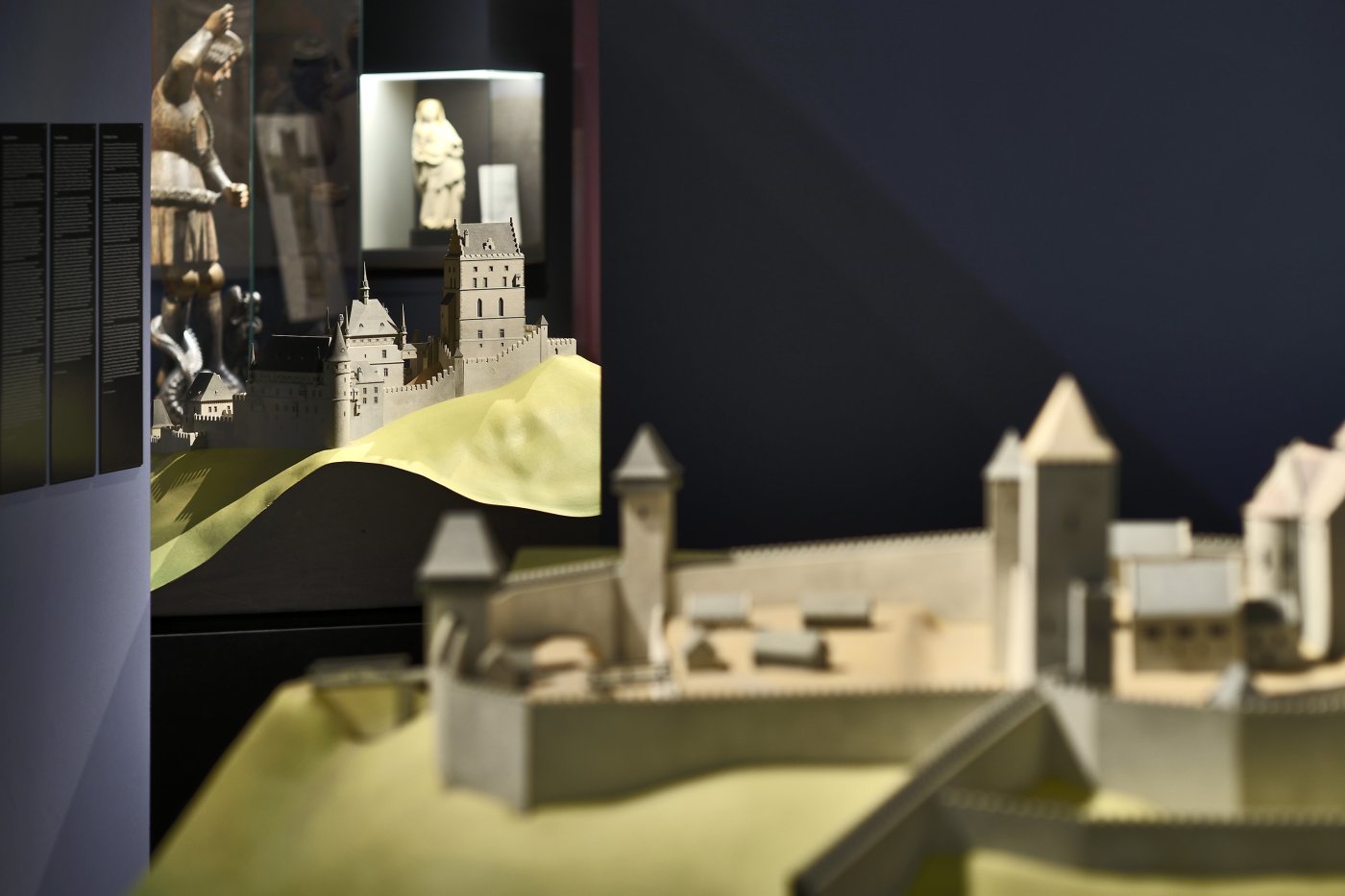
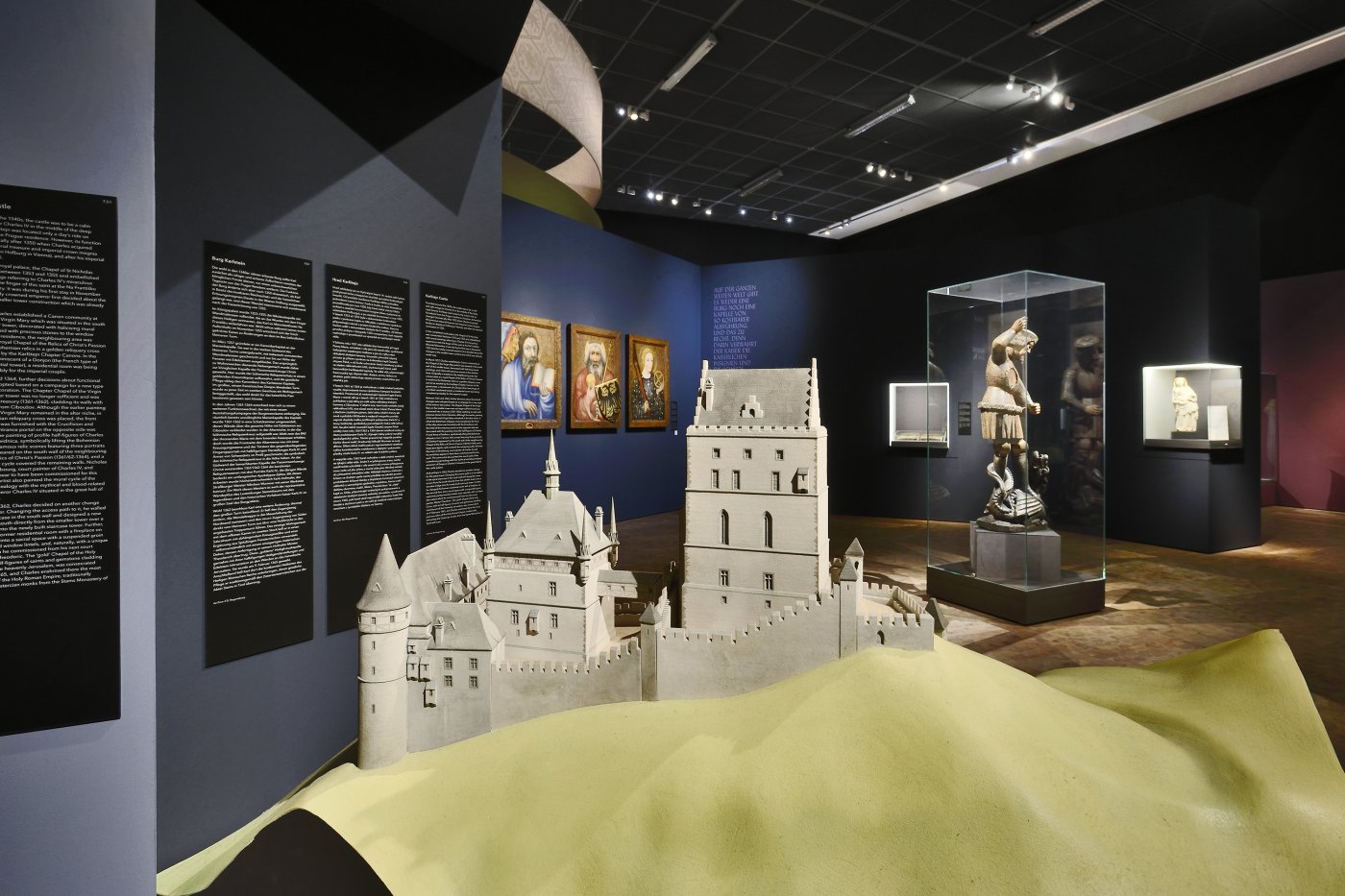
The Free State of Bavaria and the Czech Republic are marking the 700th birthday of Emperor Charles IV. with a joint regional exhibition. Charles IV. is one of the most important and multifaceted rulers in both Bohemian and German history. The exhibition explores various aspects of his life and reign, reflecting the dynamic 14th century. It offers a critical appreciation of his ruler personality, his concept of power, his significance for the residential cities of Prague and Nuremberg, and his artistic representation. A key thematic focus is the reception of Charles IV. in both Bohemia and Germany, which to this day continues to reveal very different perspectives. Around 140 exhibits—including panel paintings and book illuminations, sculptures, goldsmith works, textiles, manuscripts and documents, weapons, coins, and decorative arts—along with archaeological findings, climate research artifacts, film sequences, and audio stations, provide a fresh and captivating insight into the ruler and his century.
Exhibition Design
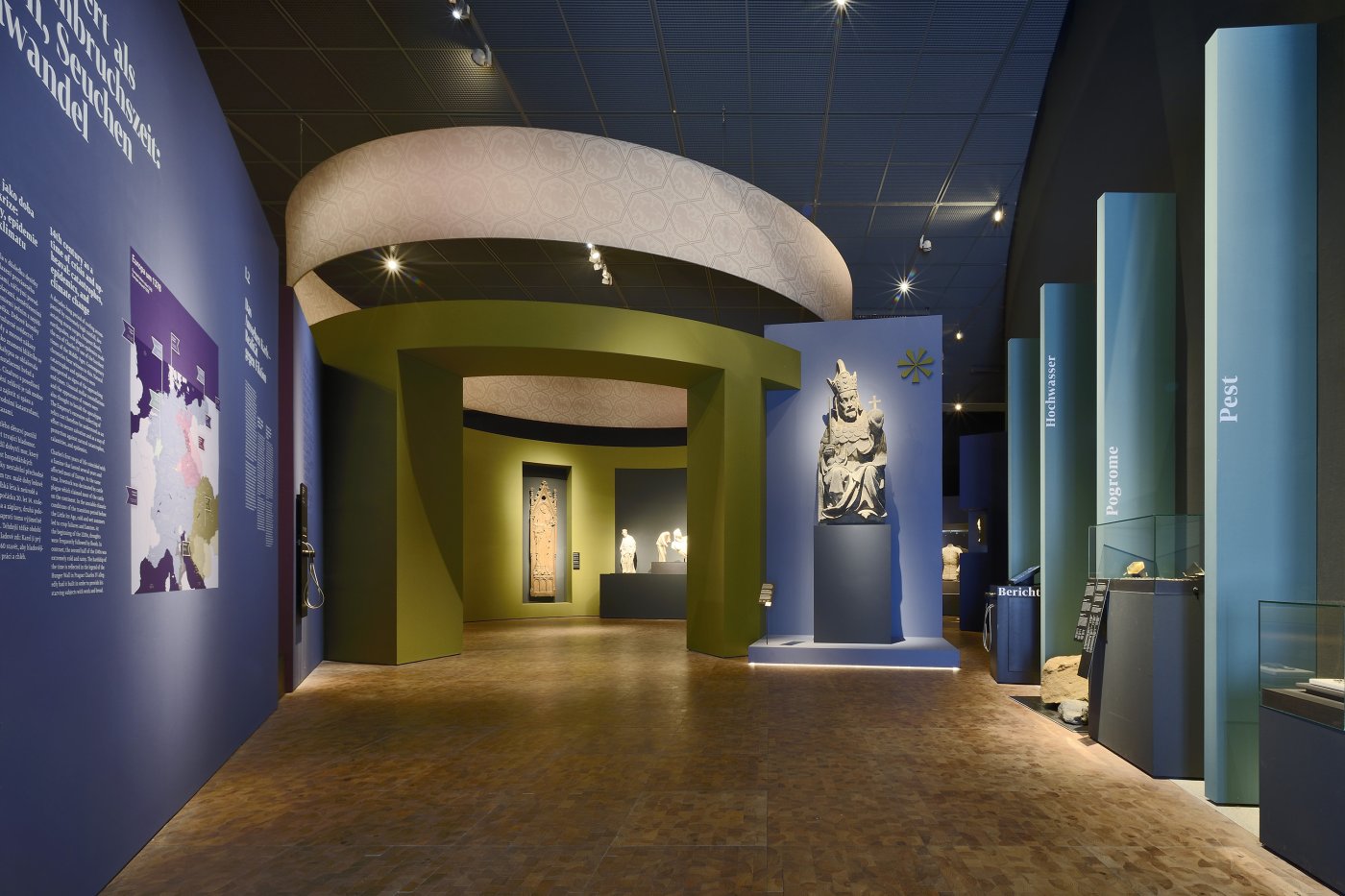
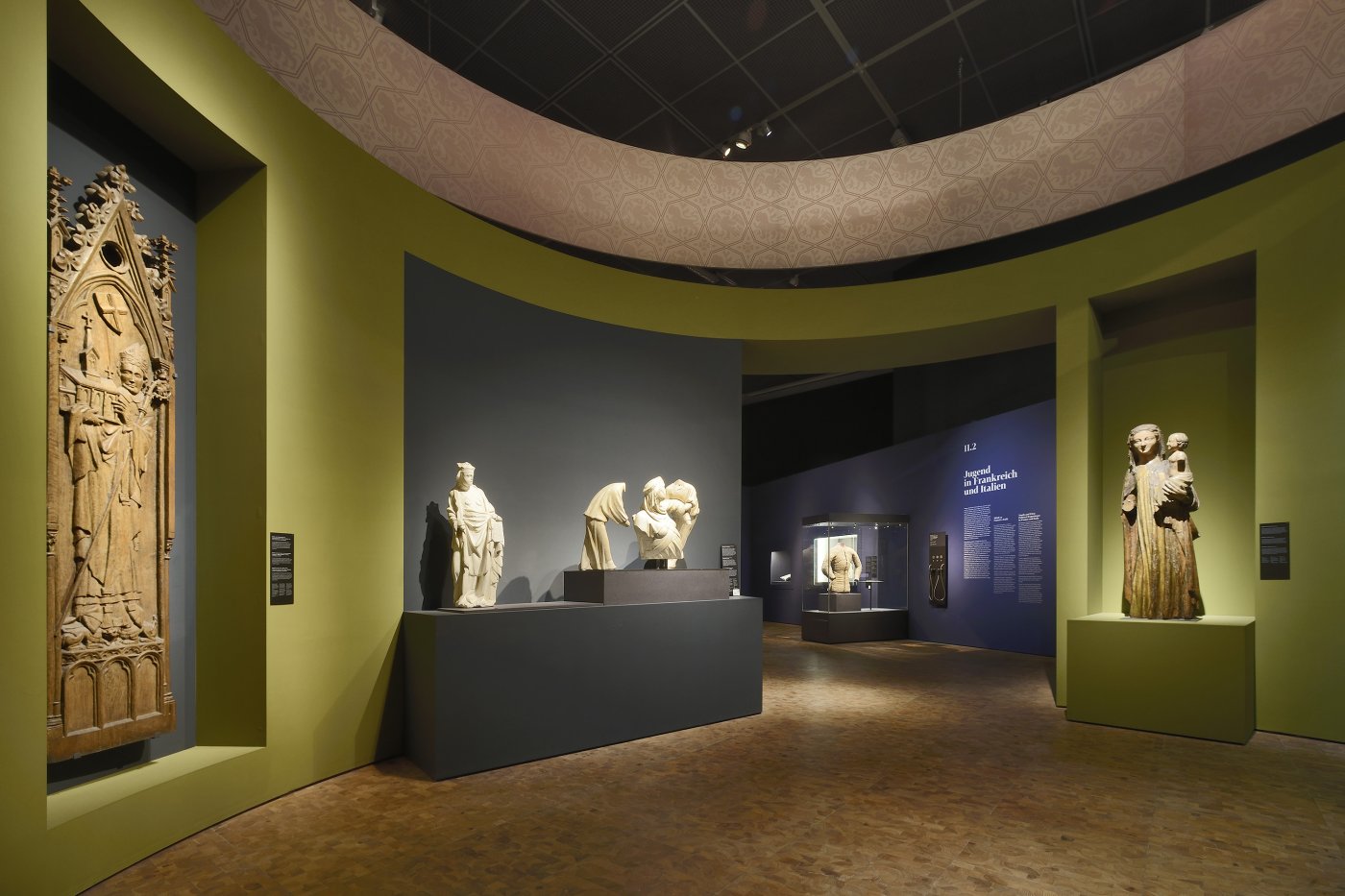
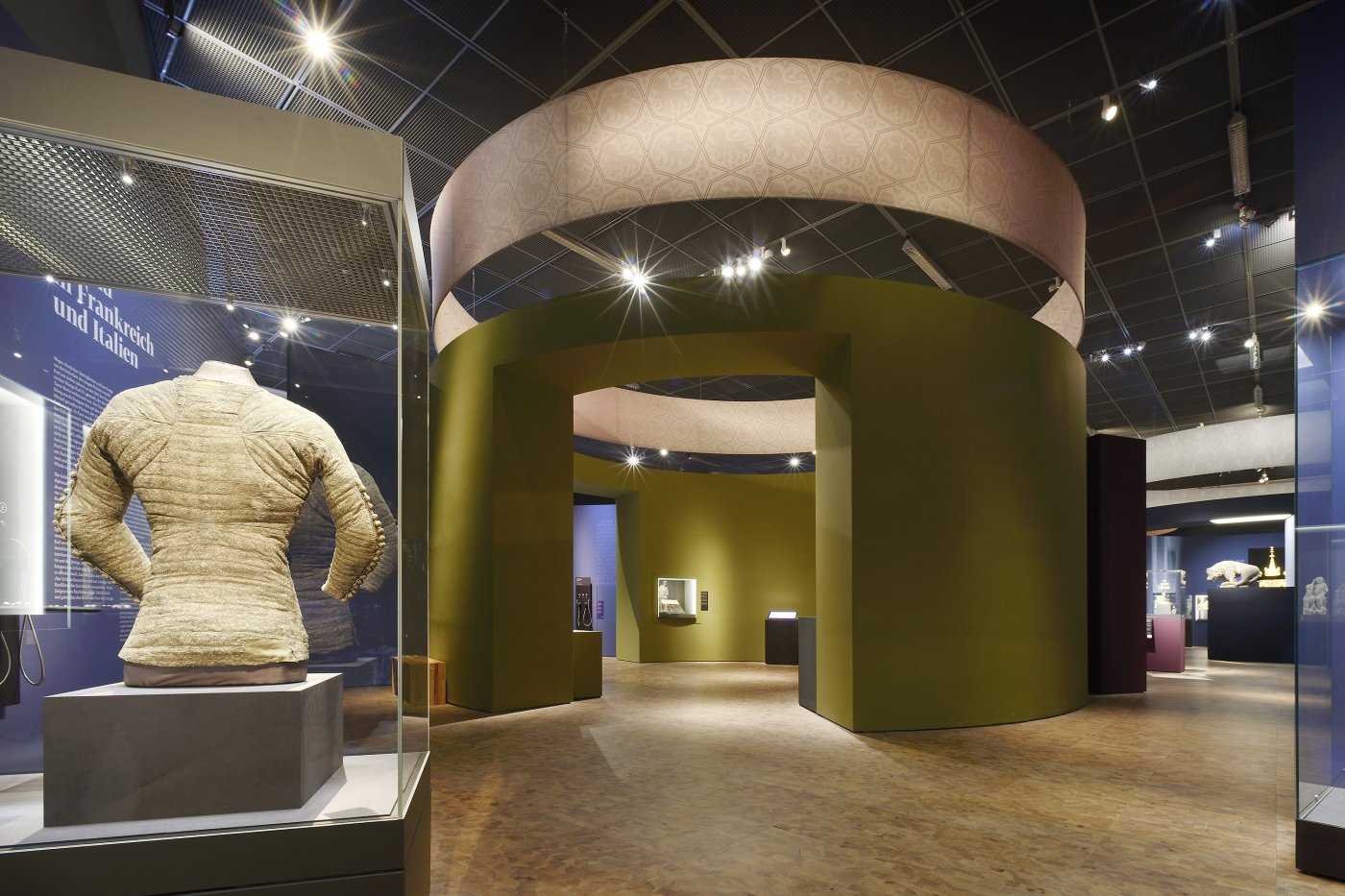
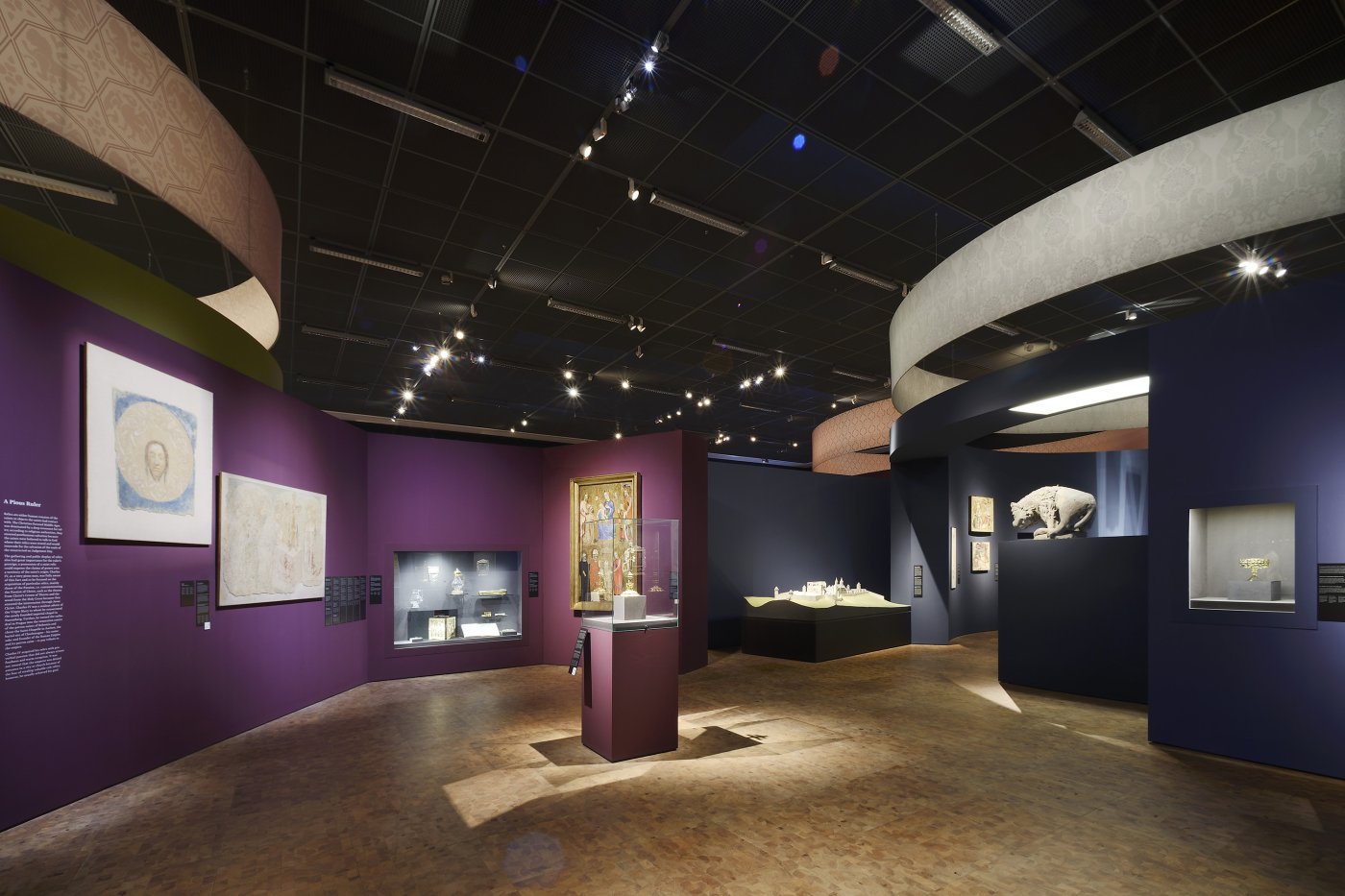
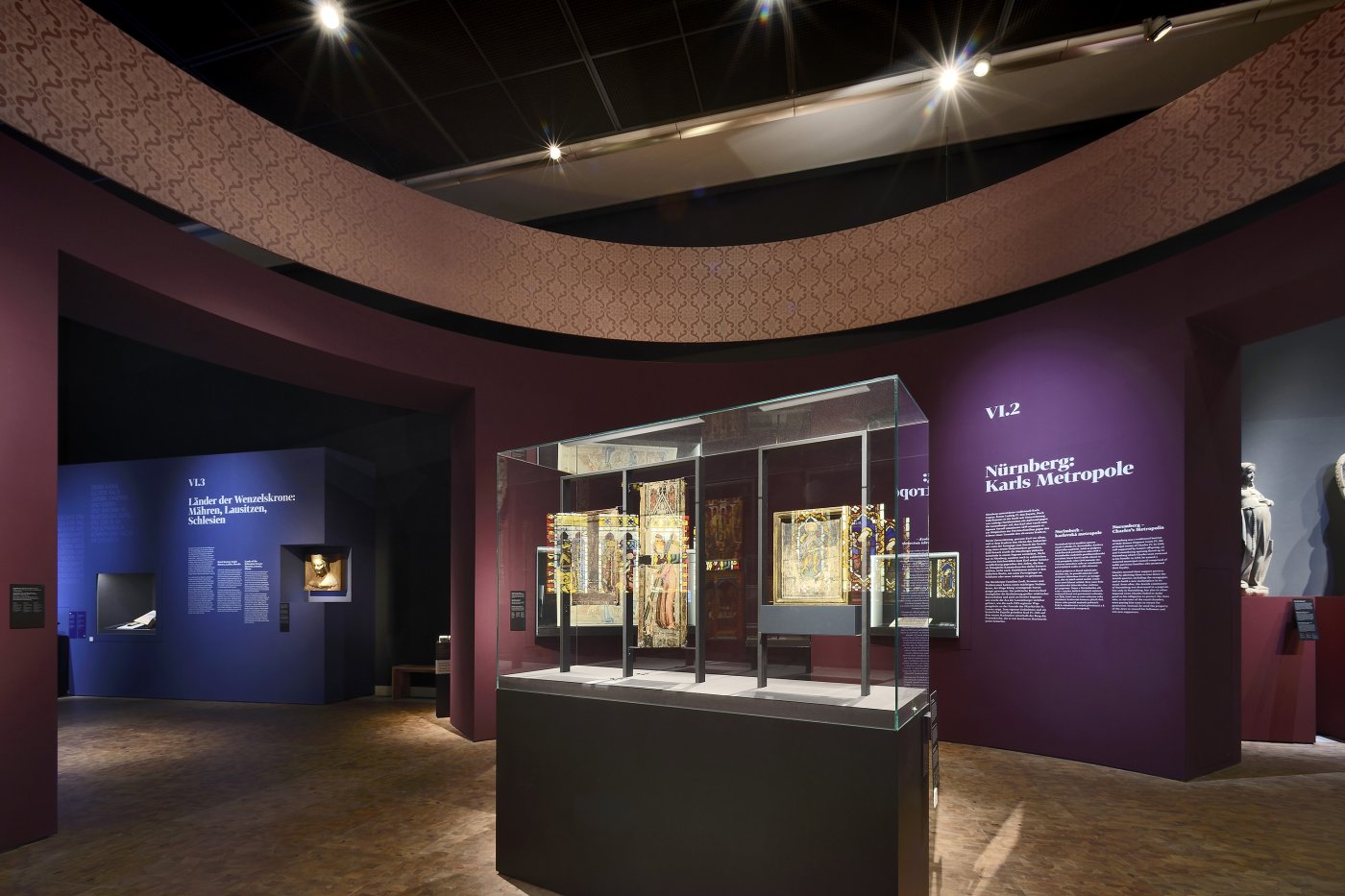
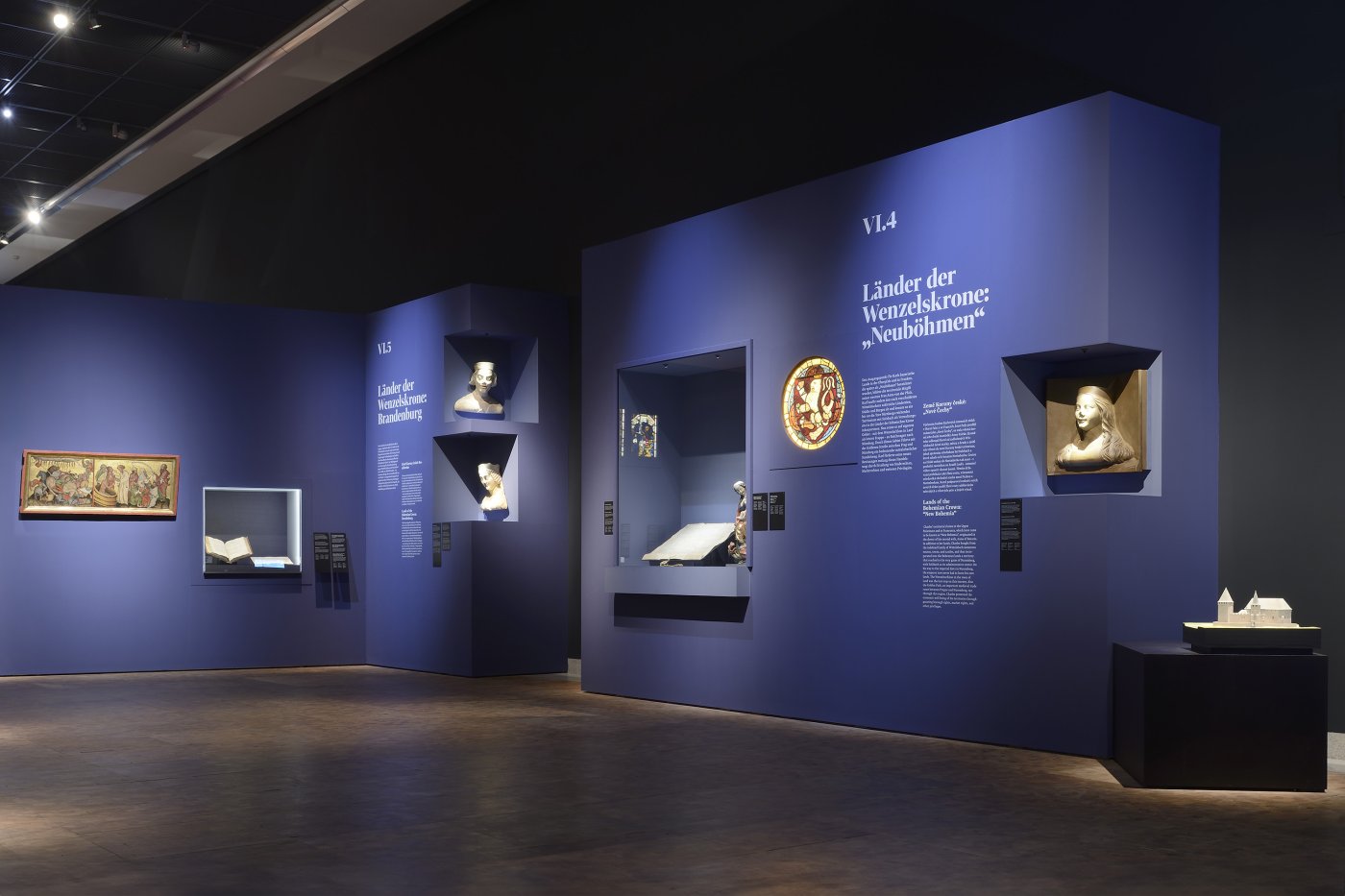
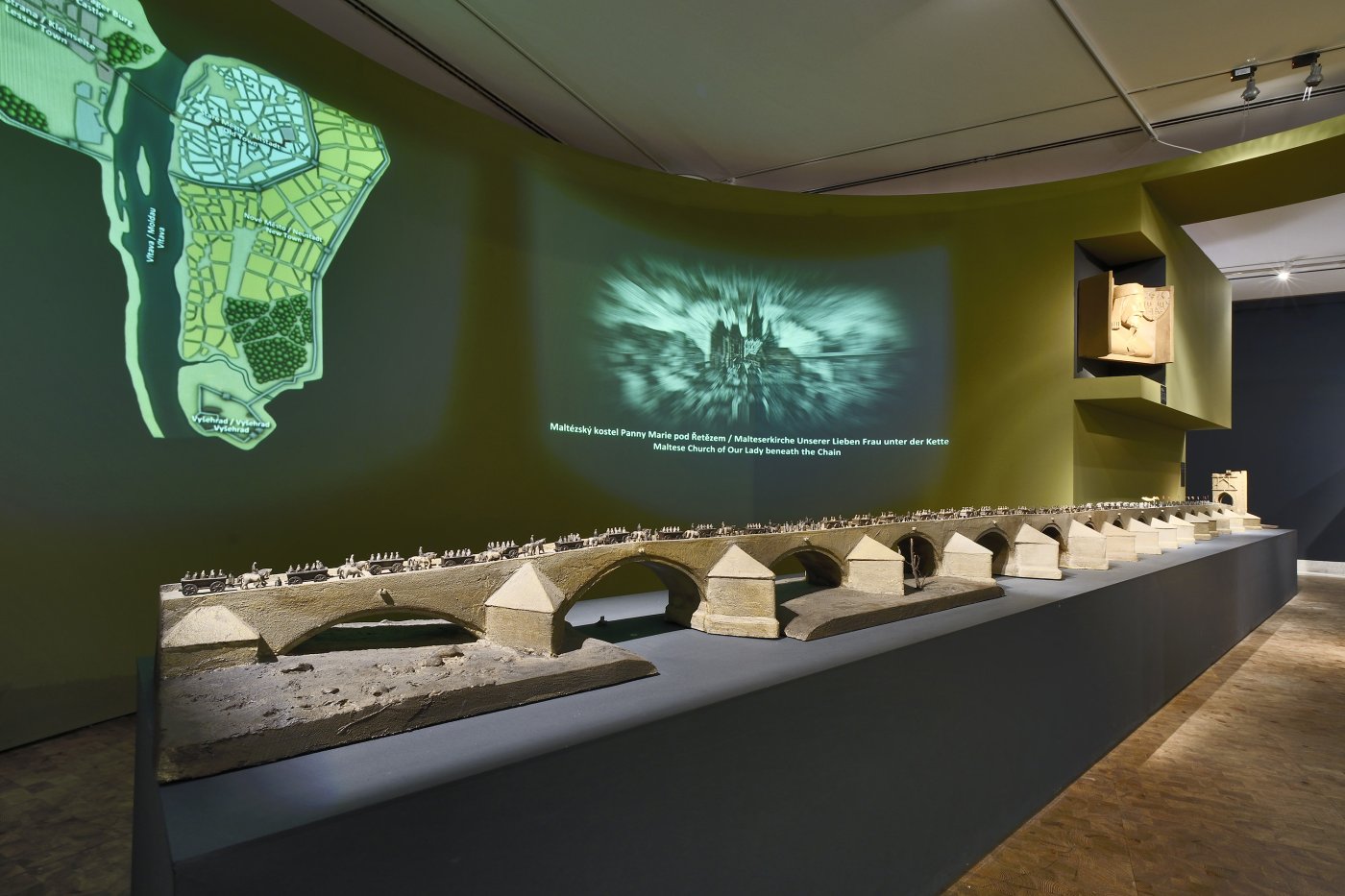
The presentation of these unique and invaluable exhibits is designed to allow for an unrestricted and immersive experience. The major challenge is to display them in a way that ensures visitors, after passing through 16 sections covering 1,000 square meters, with an average room lighting of around 100 lux, do not leave the special exhibition feeling fatigued. The exhibition path must remain engaging, achieved through varied spatial divisions—from cylindrical halls to trapezoidal sections. A clearly structured but subtly guided tour is accompanied by designated rest areas for group visits. The different color schemes of the individual sections (up to four) help visitors subconsciously perceive nuanced thematic shifts. Cylindrical ceiling installations mark key moments in Charles IV.’s life. Contrasting pairs of quotations provide insights into the epoch and the emperor’s impact. A temporary connection between the large exhibition hall (750 sqm, 7 m high) and the second exhibition space (250 sqm, only 3.5 m high) must be designed in a way that maintains the flow and atmosphere of the tour. Typography, cartographic materials, infographics, and screen design are carefully adapted to the elegant appearance of the exhibition architecture—contemporary but not trendy.